8 Spring Nature Study Activities to Spark Curiosity
After months of grey skies and chilly days, the world feels like it’s waking up again—buds opening, birds singing, muddy boots on every doorstep. It’s the perfect time to begin a spring nature study, inviting our kids (and ourselves!) to step outside, slow down, and soak in the sights, sounds, and smells of the season.
In our homeschool, spring is when we tuck away some of our heavier books and lean into the fresh air and curiosity that bubbles up naturally. Whether you’re deep into a nature-based curriculum or just dipping your toes into outdoor learning, these ideas are simple, flexible, and designed to spark genuine interest in your little explorers.

1. Bud Watch: Nature’s Slow Reveal
Pick a favorite tree nearby—maybe in your yard, neighborhood, or a local park—and watch it closely for a few weeks. Encourage your child to sketch the same branch in their nature journal every few days. What color are the buds? Are any leaves peeking through? How do the changes compare week to week? Bring a magnifying glass to look at every detail and a ruler to measure length as it grows.

2. Backyard Bird Bingo
Spring migration is in full swing! Set up a bird feeder or scatter some seed and see who comes to visit. Create a simple birdwatching bingo card with common spring visitors in your area—robins, warblers, cardinals, and maybe even a flashy woodpecker or two. Keep a bird watch list in your nature journal and note when you first notice the species at your feeder. Use our favorite bird identification app, Merlin Bird IC by CornellLab, to learn about each feathered friend. Notice the sounds they make. Can you mimic their call? Observe their behaviour. Are they collecting materials for a nest? Fighting over seed? Putting on a show to attract their spring mate?

3. Spring Flower Walk + Pressing
Head to a nearby trail or meadow and go on a spring flower hunt. Keep track of which flowers bloom first. Bring a small field guide or use a plant ID app to name a few flowers and learn their stories. How many different blooms can you spot? Collect (responsibly!) one or two common flowers to press between pages of a heavy book. After a week, mount them in a notebook with labels and notes. Or, create a bookmark or handmade card. Please ask children to check with you first before touching any nature find. Many plants are toxic and must not be eaten.

4. Pond Peek: Frog Songs & Wiggly Tadpoles
If you have access to a pond or marshy area, this is the season for frog choruses and tadpole spotting. Bring binoculars, a sketch pad, and lots of quiet patience. You might see frogs sunning themselves on logs, or wriggly little tadpoles near the edges. Bring along a shallow container to observe (then release!) tadpoles. Please review water safety guidelines with children before exploring.

5. Pollinator Patrol
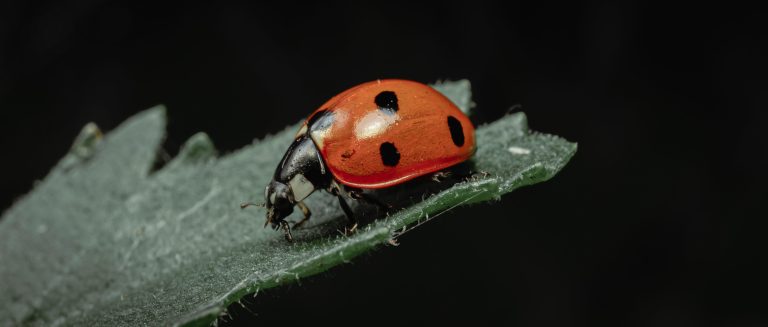
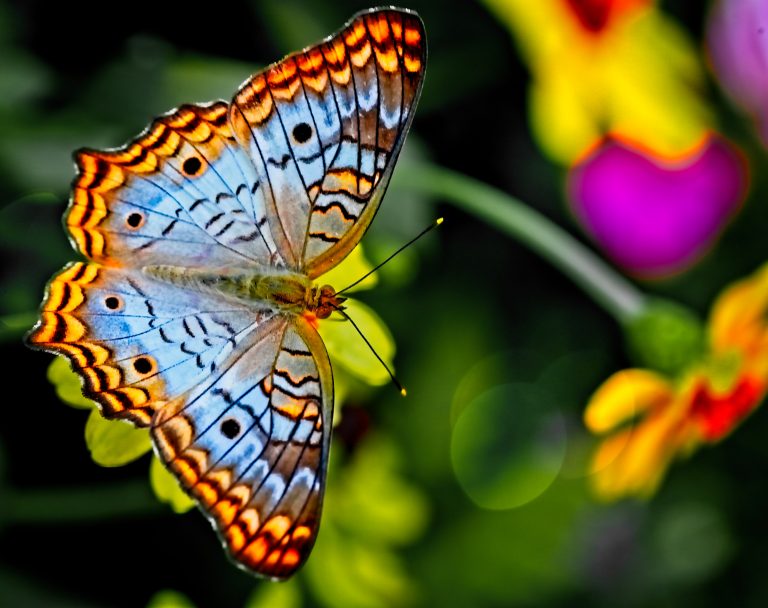
Spring blooms mean the pollinators are back in action! Go on a pollinator watch and track bees, butterflies, beetles, and hummingbirds in your yard or local park. Sit quietly by a flowering plant and observe who visits. Make a tally chart of pollinators over time. If you were a bee, what flowers would you visit first? Draw your path!

6. Mud & Rainy Day Investigations
Spring = mud. And mud is awesome. Don’t fight it—embrace it. Set up a “mud kitchen” or let kids design their own mini erosion experiments by pouring water through dirt mounds. Rainy days are perfect for worm spotting or measuring the width and depth of puddles. Discuss the water cycle together and create a rain gauge to track how much falls each week!

7. Spring Color Wheel Walk
Spring isn’t just green—it’s a burst of color. Take a homemade color wheel (or paint chip samples) on a walk and match each color to something you find in nature. Bring along your watercolour supplies and create a spring color palette. Mix your paint together to match a color’s hue. Or, take photos and create a Spring Color Exhibition in your “home gallery.”

8. Spring Songscape
Take a sound-focused nature walk. Pause every 5 minutes and listen. What do you hear? Birdsong? Buzzing insects? Frogs? Wind? Create a songscape of your neighbourhood by recording the different sounds you hear and composing your own spring-inspired symphony!
have you explored our:
Spring Nature Study Collection?
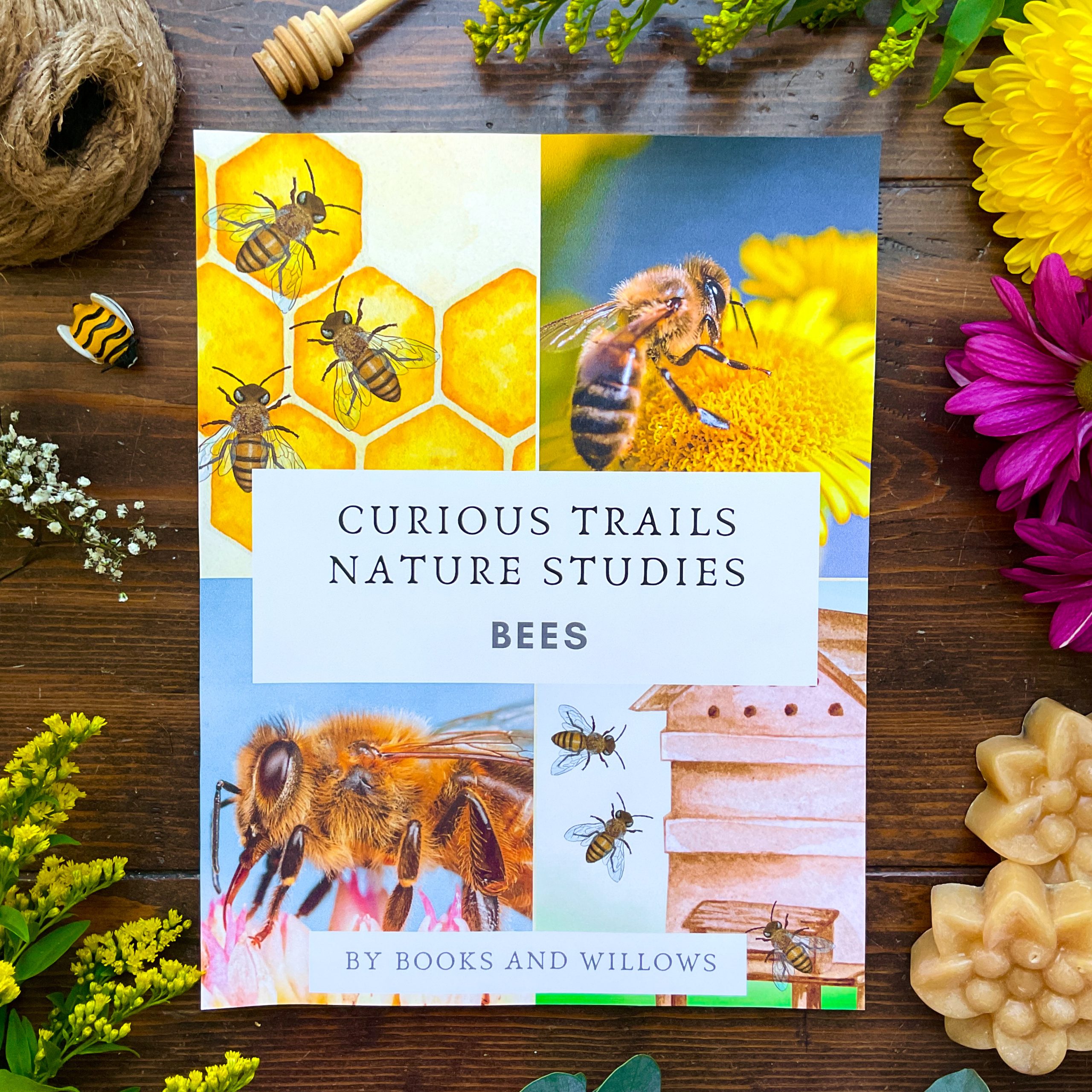
Be sure to check out our Spring Nature Study Collection in the shop—packed with engaging resources on bees, hummingbirds, rabbits, dairy farms, minibeasts, homestead gardening, and so much more to inspire your spring learning adventures!
The beauty of spring nature study is that it doesn’t have to be complicated. The world is doing the heavy lifting—your job is just to pause, notice, and invite your children into that rhythm. Some days, that means a full-on nature walk with field guides and journals. Other days, it might be watching a bee buzz past your porch with a cup of tea in hand.
Both count. Both matter. And both spark that kind of deep, lifelong curiosity we’re hoping to cultivate.
Happy exploring, friend. ~Jacqueline