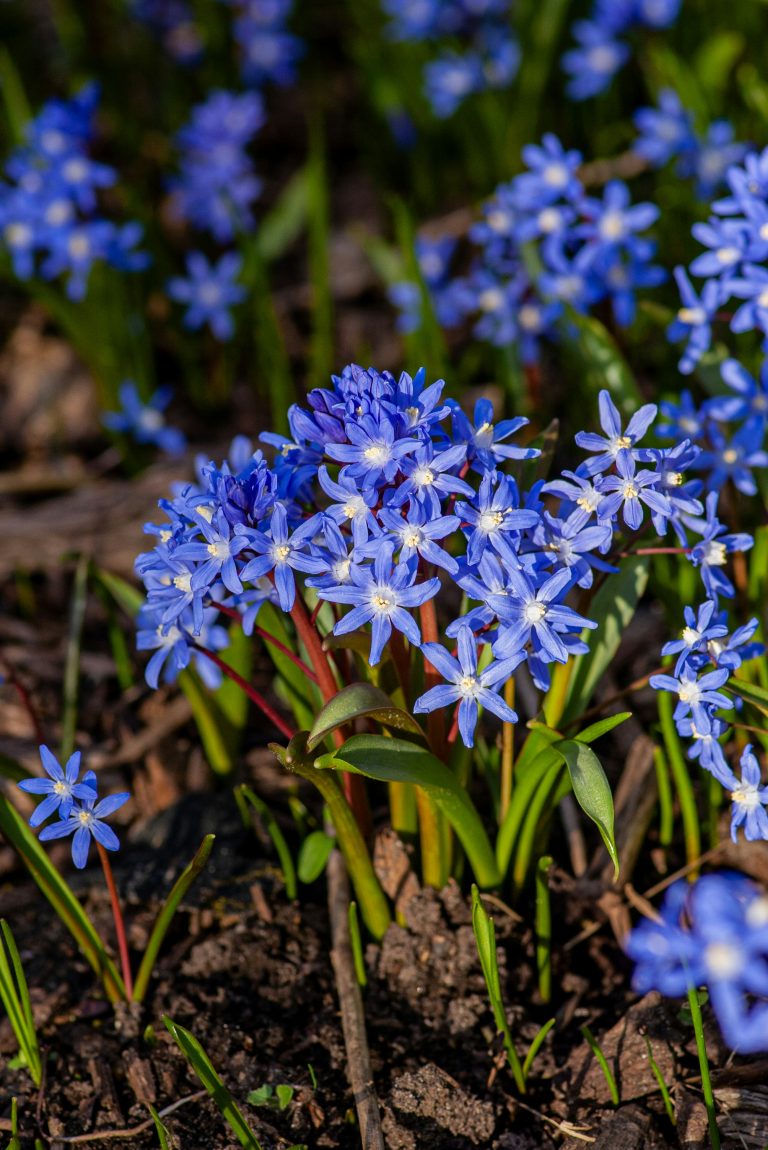
Spotting 8 Common Types of Bird Nests [Free Nesting Bird ID Cards]
Birds are nature’s architects, using twigs, feathers, mud, and even spider silk to build elaborate nests that keep their eggs and chicks safe. From the classic cup nest built by robins to the woven wonders made by weaver birds, every nest tells a story. They’re nestled into bramble bushes, perched on tree branches, burrowed into cliffs, or snuggled into our house’s eavestroughs. Some birds even skip building entirely and borrow homes made by others! Each design tells a little something about the bird who built it and the challenges of raising a family in the wild. Learning to recognize the different types of nests can deepen your understanding of bird behavior and help you become a more observant, respectful nature explorer. Bring along your binoculars, and let’s take a closer look at some of the most fascinating types of bird nests. And don’t forget to download your FREE Nesting Bird Cards to take along on your adventures!
8 Types of Bird Nests
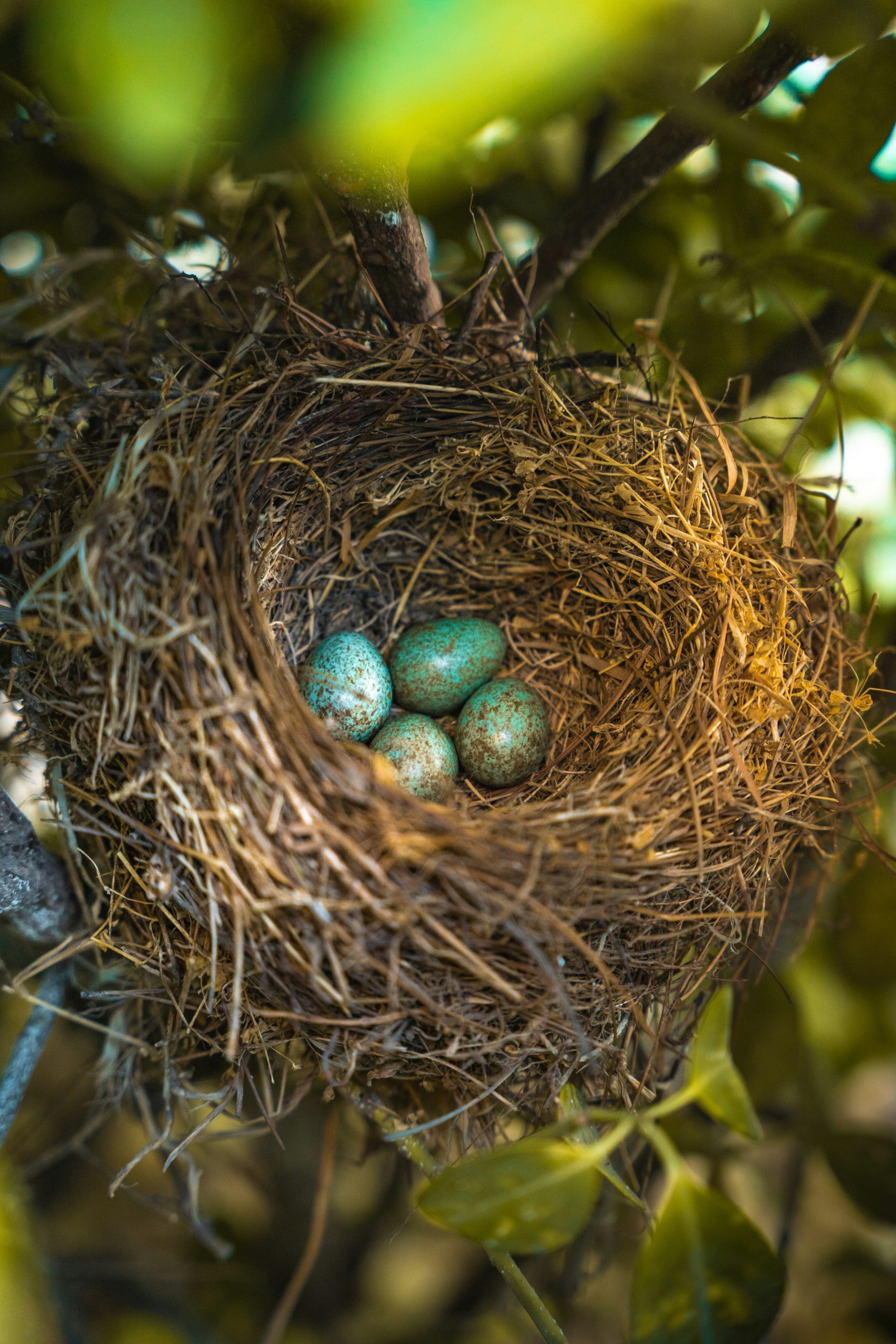
1. Cup Bird Nests
Cup nests are the most common type of bird nest—and for good reason! Shaped like a bowl or teacup, these nests are carefully crafted using interlocking twigs, grasses, and sticks, then lined with soft materials like feathers, animal fur, or fluffy plant seeds to make a cozy bed for the eggs.
Some birds take their nest-building skills to the next level. Reed Buntings, for example, pull apart bulrushes to create a soft, downy cushion inside their nest. Song Thrushes mix up their own special lining using a paste made from rotten wood and spit, then smooth it into the nest with their breasts—no sharp twigs poking the eggs here!
To help camouflage the nest, birds often tuck bits of lichen, moss, or dried leaves around the outside. The cup shape isn’t just for comfort—it keeps the eggs safely clustered together during incubation. Once the chicks hatch, the snug shape holds the tiny, featherless babies close for warmth. And those high walls? They help keep wiggly chicks from tumbling out before they’re ready to fly!
You’ll often find cup nests in the fork of tree branches, held in place with mud or even sticky spider silk. And if you spot a nest with a roof, you might be looking at a domed nest—a fancier version of the classic cup, complete with a cover to keep out rain and curious predators.
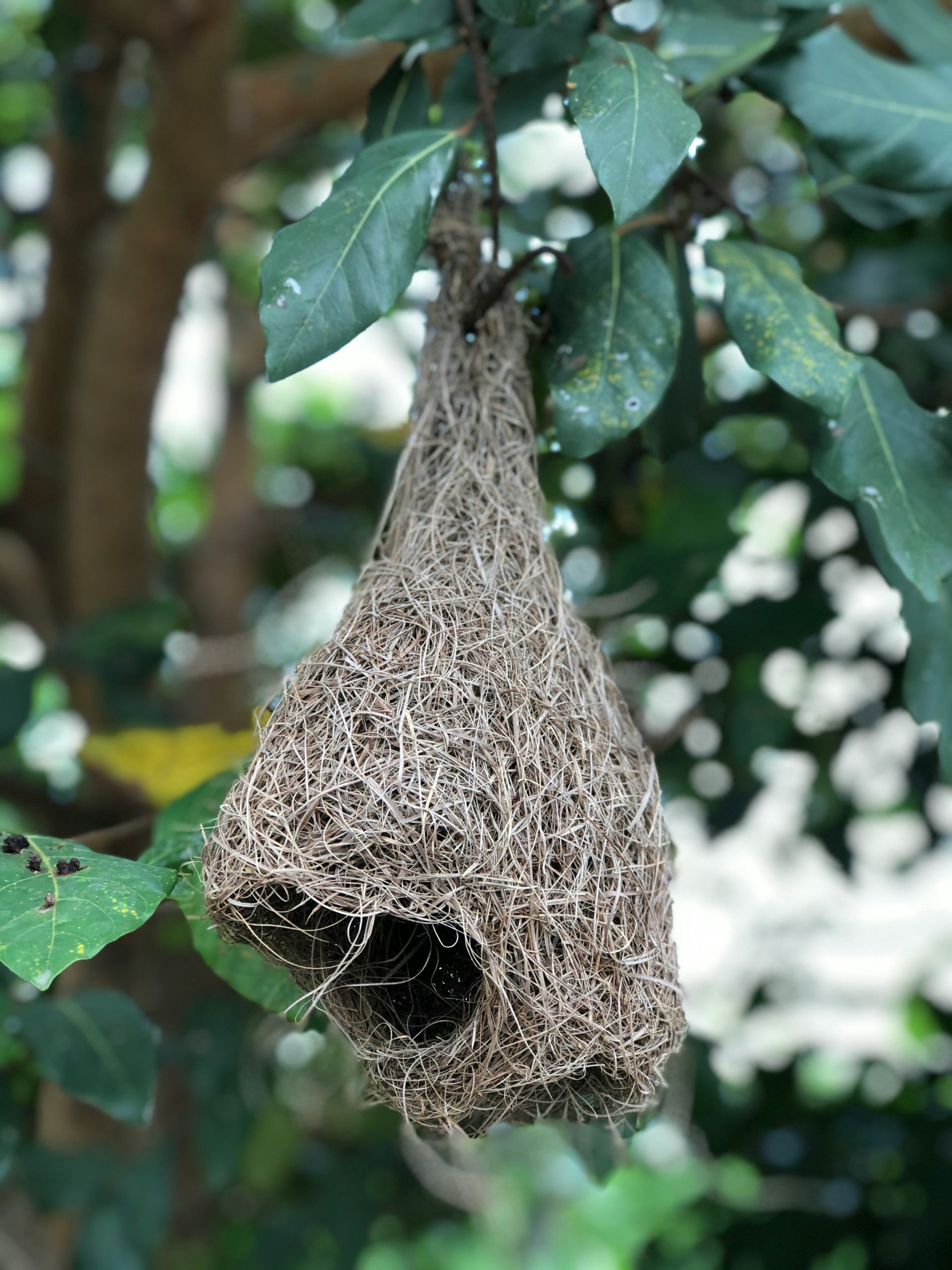
2. Woven and Hanging Bird Nests
Some birds are so skilled at building nests, it’s hard to believe they don’t use tools or follow blueprints. One of my absolute favorites is the Sociable Weaver. These little birds live in the grasslands of southern Africa, and instead of building just one nest, they build a whole apartment complex! Their giant, thatched-roof homes stretch across the tops of trees and are shared by up to 400 birds at a time. Each family has its own little room inside, and some of these nests have been used and added onto for over 100 years.
Other weaver birds are amazing in a different way. They build pendant-style nests that dangle from tree branches, swinging in the breeze like tiny hammocks. They don’t use their feet or claws—just their beaks—to tie knots and weave grasses together. It’s like basket weaving, only with no hands! The Baltimore Oriole, for example, makes a hanging nest with more than 10,000 stitches. It’s strong, flexible, and completely weatherproof. Isn’t that incredible?
And then there’s the Tailorbird—a true little genius. Instead of weaving twigs or grass, this bird actually sews leaves together. It pokes tiny holes in the edges of a leaf and threads spider silk or plant fibers through them to “stitch” the leaf closed, forming a safe pocket for its eggs.
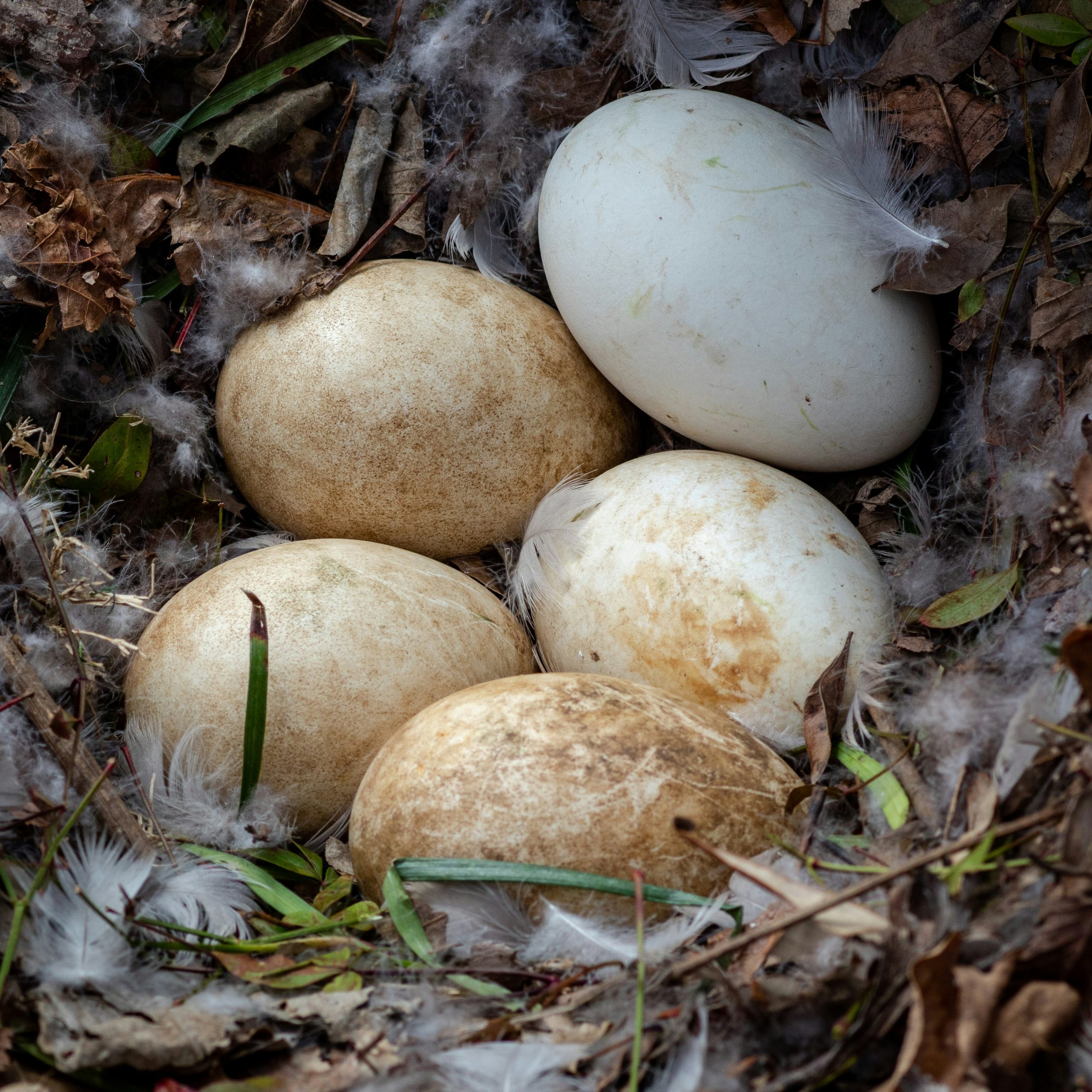
3. Scrape Bird Nests
Not all birds build fancy nests with twigs and soft linings. Some keep things incredibly simple—so simple, in fact, that their “nest” is really just a shallow dip in the ground. These are called scrape nests. They’re often hidden in plain sight, scratched into the sand, soil, or a patch of leaf litter.
At first glance, it might seem like these birds aren’t trying very hard—but they have their reasons. With nothing to cover or protect the eggs, camouflage becomes their best defense. Many scrape-nesting birds lay eggs with speckles, spots, and earthy tones that blend right in with the ground. Some will build up the sides of their pit with twigs, leaves, pebbles—or even animal dung —just to help disguise the area even more.
And because these nests offer little shelter, the chicks need to be ready from the moment they hatch. Unlike songbird chicks, who stay in the nest for weeks, scrape-nesters like ducks, pheasants, grouse, and even the giant ostrich hatch with their running legs ready to go. They’re up, walking, and able to follow their parents in no time—a perfect strategy for survival in open areas.

4. Mound Bird Nests
Mound nests sit right on the ground and often look like little piles of mud, peat, or rocks. Flamingos are famous for carefully building tall mud mounds, mixing in small rocks, straw, and even feathers. These nests can reach up to a foot tall and take nearly six weeks to finish. Both flamingo parents work as a team, using their bills to shape the walls and add materials bit by bit. At the very top, they leave a shallow dip just right for holding a single egg.
But my favorite mound builder of all? The Adélie penguin! These clever dads collect smooth stones—one by one—to line the bottom of the nest and build it up like a stone fortress. The raised pebble floor keeps the eggs safe and dry when the snow starts to melt. It’s a big job—some nests have over 100 pebbles! And here’s the funny part: if you’re not watching closely, another penguin might sneak over and steal a few stones for their own nest. I guess it’s easier than doing the work yourself!

5. Platform Bird Nests
Platform nests are built with a simple technique. They pile up sticks and branches until they form a sturdy, tangled heap. As messy as it might look, the twigs actually lock together, creating a strong base that holds up in wind and weather. These nests can be small or absolutely massive, depending on the bird. Many of these birds prefer to build their nest high up, giving them a perfect bird’s-eye view of everything around them.
One of the most impressive platform builders is the Bald Eagle. You’ll often spot their nests perched at the very top of a tall tree or on a rocky cliff. The largest Bald Eagle nest ever recorded was found in 1963 near St. Petersburg, Florida. It was almost 10 feet wide and 20 feet deep! It can take up to three months to build. Most of the time, the eagles return to the same nest year after year, adding more sticks and branches each season until it becomes a true giant.
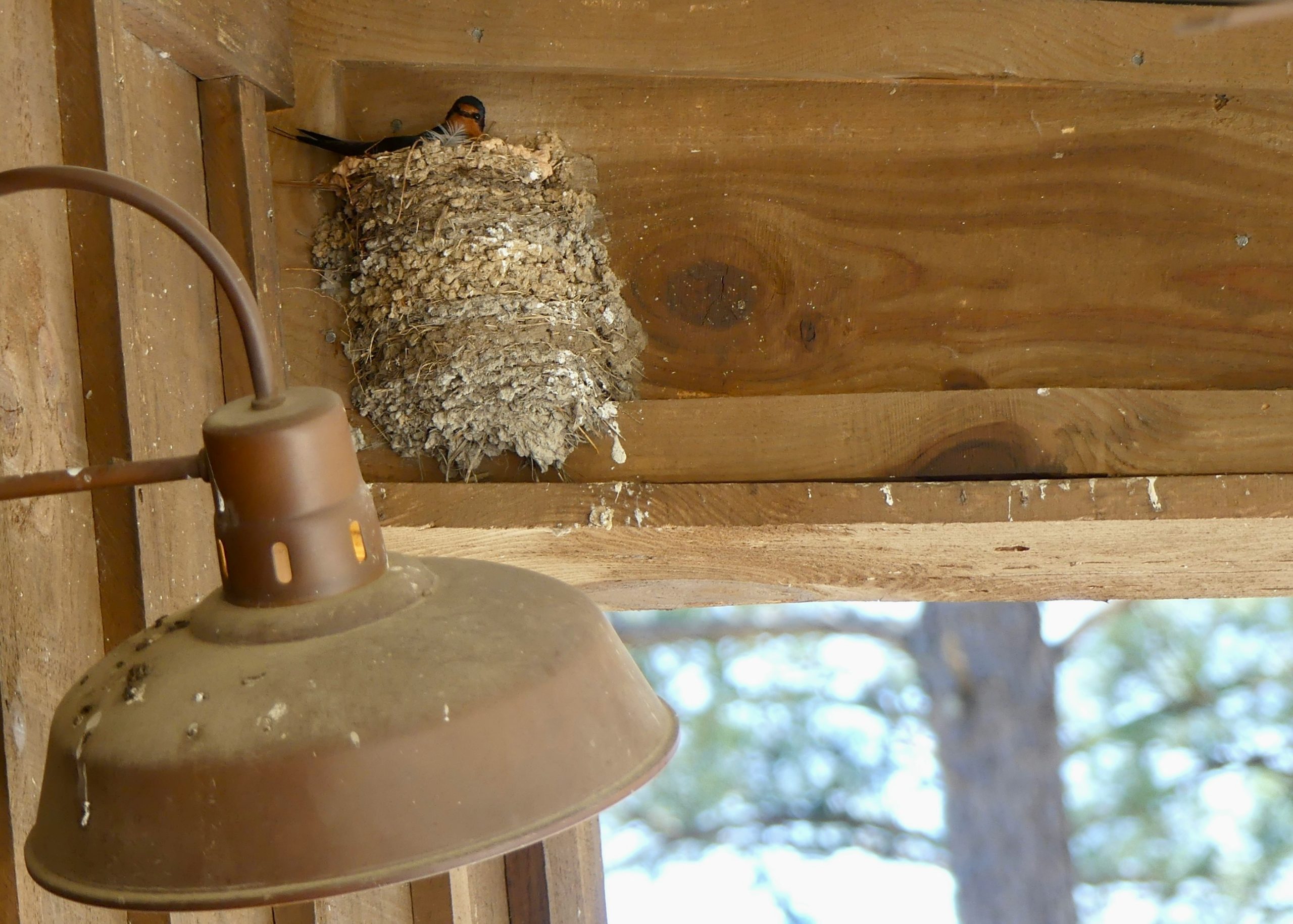
6. Mud Bird Nests
Not all nests are made with twigs and grass—some birds prefer a softer, earthier approach, using mud as their main building material. Swallows are especially known for this, and their clever nests have even inspired early human communities to build their own cozy mud homes.
These little birds carefully collect mud in their bills, sometimes mixing in tiny bits of grass to give it extra strength. They gently shape it into a cup or tube, often choosing sheltered spots like the sides of cliffs or tucked up into the corners of barns. The stickiness of the mud helps their nests cling securely to vertical surfaces, offering them protection from wind and rain. Swallows work in stages—letting each layer dry before adding the next. They start by forming a small shelf to perch on, then slowly build up the walls, finishing it off with a soft lining of feathers.
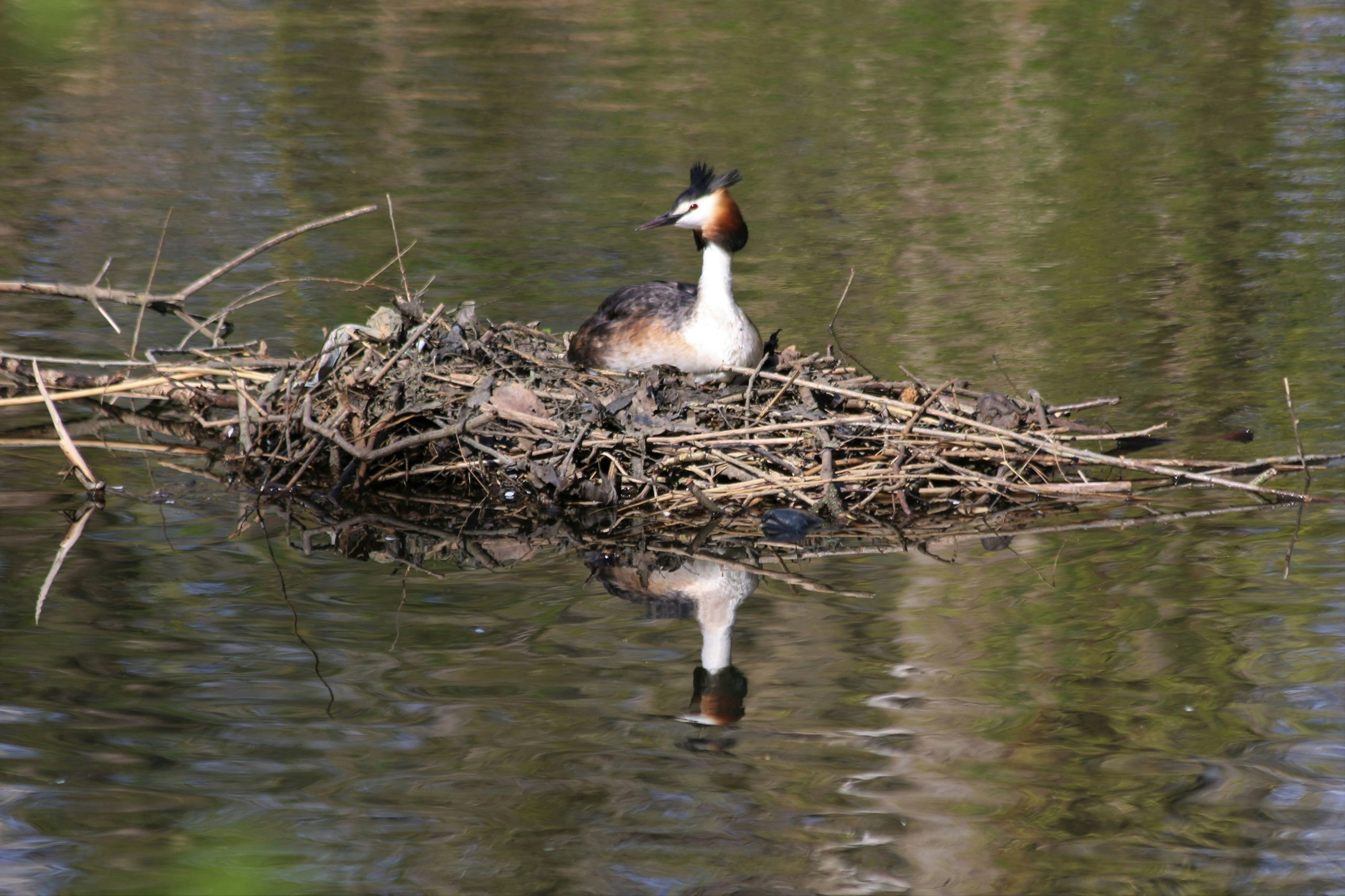
7. Floating Bird Nests
Have you ever wondered what it would be like to live on a floating home? Four bird families are known for these unique nests: Jacanas, Marsh Terns, Grebes, and Rails. They use aquatic plants that have built-in air pockets in their stems and leaves. Once the birds tug these plants free from their underwater roots, the pieces float—perfect for nest building!
They gather and pile the plant material into small rafts or mini-islands, usually in shallow water. The water becomes a natural moat, helping to protect their nests from land predators who definitely don’t want to go for a swim to get dinner. These floating nests are often found among tall reeds, making them even harder to spot. But it’s not all smooth sailing. Just like balancing on a rocky boat, these birds have to be extra careful when they move around—one wrong step, and an egg could roll into the pond. The good news? Their chicks are amazing swimmers and often leave the nest early, already paddling about in the water not long after hatching.
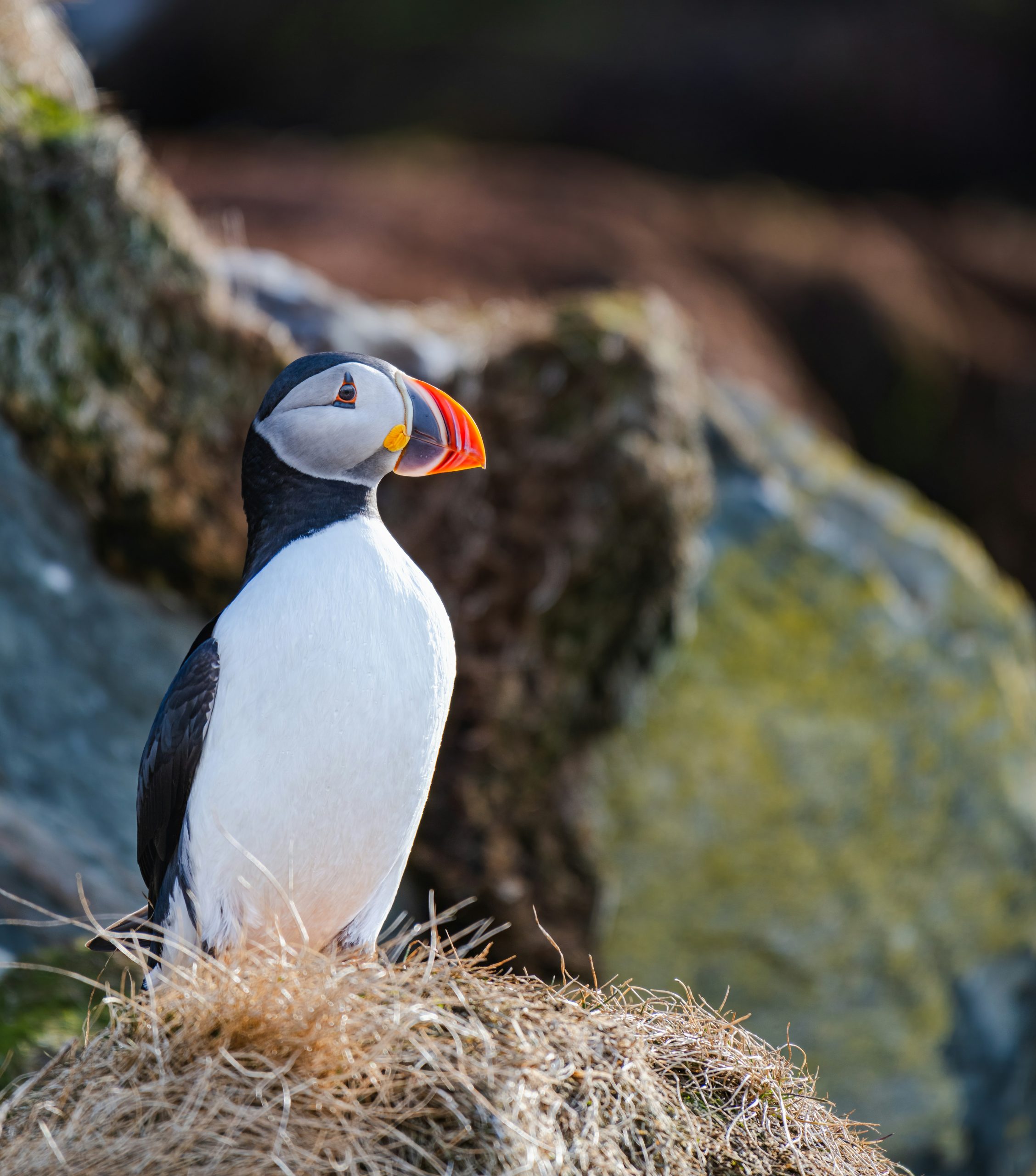
8. Cavity and Burrow Bird Nests
Some birds prefer a quieter, more sheltered place to raise their young— such as tree hollows, rocky crevices, or cozy tunnels dug into sandy banks. These hideaways help protect them from harsh weather and keep their eggs safe and warm. There are two types of cavity nesters: birds who create their own nesting space and those who move into natural holes or abandoned burrows. Woodpeckers are wonderful examples of the first kind. With their strong, steady beaks, they carefully carve deep holes into tree trunks, creating safe spaces high above the forest floor—well out of reach from curious raccoons or other predators.
Then there’s the Atlantic Puffin, one of my favorites with its bright, colorful beak and cheerful orange feet. Puffins dig their nests into the earth, using their beaks to break up the soil and their wide, webbed feet to kick the dirt out behind them. It’s a true team effort—the male and female both help build the burrow, and they gather soft grass and feathers to line it just right.

Download OUR free flashcards
Nesting Bird Identification Cards
Bird nests come in so many shapes, sizes, and clever designs—each one telling a story about the bird who built it. As a family, take some time to head outdoors with curious eyes and quiet footsteps. See how many different types of nests you can find—tucked in trees, hidden in reeds, or nestled along a rooftop. Happy exploring! ~ Jacqueline
![FREE Pumpkin Investigation [Free Printable]](https://booksandwillows.com/wp-content/uploads/2022/10/IMG_20221010_092033_759-768x768.webp)
![5 Adaptations of a Pine Tree [Free Nature Journal]](https://booksandwillows.com/wp-content/uploads/2024/01/IMG_4680-768x1152.jpeg)